
Accurate valve sizing helps create dependable fluid handling systems. A properly selected butterfly valve maintains suitable flow, manages pressure changes, and supports smooth operation. Considering application requirements alongside valve capacity promotes balanced performance, practical installation, and lasting reliability.
Understanding Application Requirements
Successful sizing begins with understanding the fluid, operating range, and system requirements. Reviewing these details helps identify a valve that delivers the required capacity and fits the piping arrangement.
Important considerations include:
- Minimum, normal, and maximum flow rates.
- Fluid type, temperature, and density.
- Inlet pressure and expected pressure drop.
- Pipe diameter, connection style, and installation clearance.
- Whether the valve provides isolation or modulating control.
These details create a reliable foundation for comparing options and selecting suitable operating characteristics.
Matching Flow Capacity With Demand
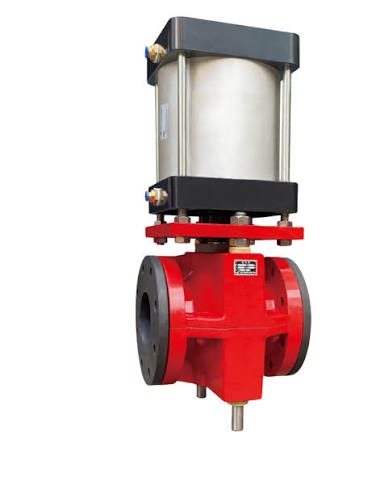
The flow coefficient, commonly expressed as Cv or Kv, describes a valve’s capacity under defined conditions. Comparing the required coefficient with published performance data helps determine whether a selected size can deliver the intended flow while maintaining control.
A balanced selection considers more than nominal pipe diameter. Capacity changes with opening position, while piping geometry can influence performance. Engineers therefore review flow curves to confirm an appropriate operating range.
Pressure Drop and Flow Velocity
Pressure drop affects the energy needed to move fluid through a system. Evaluating the expected pressure difference alongside flow velocity supports a practical selection and contributes to consistent operation.
Careful evaluation can support:
- Efficient fluid movement through the pipeline.
- Suitable pressure balance across connected equipment.
- Reduced unnecessary energy loss.
- Stable performance at normal and peak demand.
- Better coordination with surrounding components.
Considering these factors together encourages smooth operation under changing conditions.
Dimensions and Installation Compatibility
Physical dimensions are essential when confirming valve suitability. Face-to-face length, flange pattern, disc clearance, and overall envelope should align with the piping layout and available space. Reviewing dimensional information early simplifies planning.
Design teams can refer to https://www.vincervalve.com/butterfly-valve-dimensions/ when checking measurements that contribute to compatibility. Reviewing dimensions alongside pressure ratings and connection requirements supports accurate alignment and a well-integrated installation.
Supporting Reliable Control Performance
A well-sized butterfly valve contributes to responsive operation and effective process management. Selection should account for the full operating range, not only maximum flow. For modulating duties, suitable valve authority and controllable travel help maintain steady adjustment as demand changes.
A complete review may include:
- Confirming pressure and temperature ratings.
- Checking body and seat materials for fluid compatibility.
- Reviewing actuator torque and operating requirements.
- Assessing shutoff performance and cycling frequency.
- Verifying maintenance access and inspection needs.
These checks support a coordinated choice and maintainable operation.
Building Long-Term System Efficiency
Advanced sizing brings flow requirements, pressure conditions, dimensions, and control objectives into one selection process. Reviewing these elements together allows butterfly valves to support dependable fluid movement, efficient equipment integration, and predictable system response.
Accurate calculations and application-specific performance data help facilities develop fluid control solutions that combine operational efficiency with lasting reliability. This helps teams plan installations confidently throughout the equipment lifecycle
