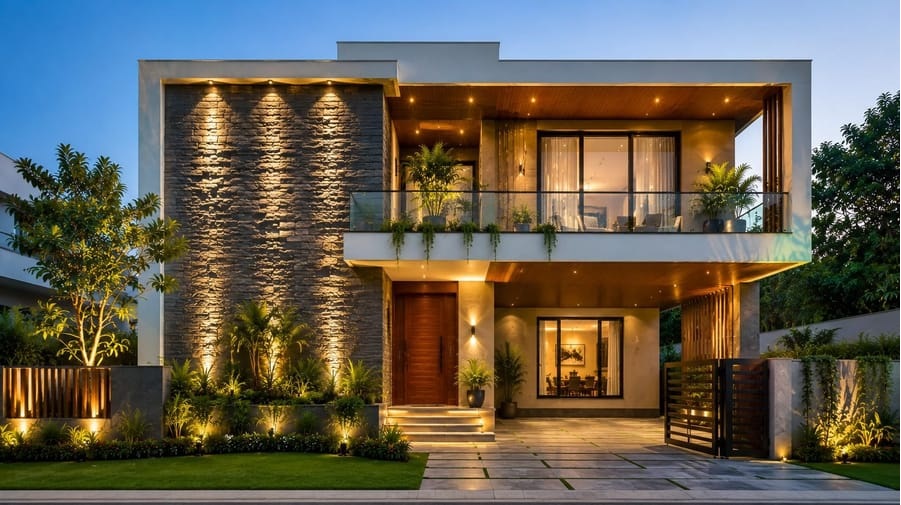
A carport extension is one of those upgrades that sounds basic until you live with it. Then it becomes the place you unload groceries in the rain, stage tools for a weekend project, stash bikes that never fit in the shed, and keep your car from baking under UV all summer.
It’s shelter, yes. But it’s also usable square footage that doesn’t carry the same price tag, or complexity, as a full garage build.
One-line truth: A well-designed carport extension is function disguised as curb appeal.
The value part: does it actually pay off?
Now, this won’t apply to everyone, but in most neighborhoods I’ve worked in, buyers respond strongly to covered parking and clean-looking outdoor storage, even when they don’t say it out loud. They just feel the house works better. Services like Home Style Living carport extensions can help homeowners create these purpose-built spaces that feel cohesive with the existing architecture.
A concrete data point: Remodeling Magazine’s Cost vs. Value report (2024) pegs the average garage door replacement at about 193.9% cost recouped nationally, which doesn’t “prove” carports pay back the same way, but it does show how heavily the market rewards functional, vehicle-related exterior upgrades. Source: Remodeling Magazine, Cost vs. Value 2024 (remodeling.hw.net).
What pushes a carport extension into “value-add” territory?
– It reads as intentional architecture, not a bolt-on awning.
– It improves day-to-day use immediately (parking, loading, storage).
– It reduces exterior wear on vehicles, doors, paint, and even your entry area.
And look, appraisers vary. Some will treat it as a simple site improvement; others will value it closer to a covered structure addition if it’s permanent, permitted, and integrated.
Hot take: most carport extensions fail because people design them like a roof, not like a system.
A roof is the visible part. The system is load paths, drainage, wind resistance, and how the addition “talks” to the existing house.
If you want the extension to feel seamless and hold value long-term, think like a builder for five minutes:
– Where do the loads land? (Posts to footings, ledger connections, uplift ties.)
– Where does the water go? (Not onto your walkway. Not into your foundation.)
– What happens in a wind event? (Uplift is real, and it’s sneaky.)
I’ve seen gorgeous-looking extensions that started to rack and loosen because someone skipped proper anchorage. It’s fixable, but it’s never cheap.
Parking + storage + workspace: make it work on day one
People overshoot the “parking” part and undershoot the “life” part. You’re not just parking a car. You’re opening doors, dragging bins, turning a mower, backing out when it’s dark, and trying not to clip a post.
Here’s the thing: a carport extension earns its keep when it’s zoned intelligently.
A practical layout (that I’ve seen work over and over) looks like:
– Vehicle bay with enough side clearance to open doors comfortably
– Storage wall on the house side or rear edge (keeps the clutter visually contained)
– Small work zone near power access (even a 4, 6 ft run of counter or fold-down bench)
Short list, because this is where bullet points actually help:
– Non-slip surface where you walk most
– Lighting that covers the edges (not just the center)
– At least one exterior-rated outlet that isn’t an afterthought
– A post layout that doesn’t block turning radius (sounds obvious; rarely done)
Weatherproofing and energy: it’s not just about staying dry
Some carports are basically umbrellas. Fine. Others become semi-enclosed utility spaces, and then moisture and heat management start to matter a lot more.
Technical hat on for a moment:
– Flashing and drip edges are non-negotiable. This is where water gets weaponized.
– Continuous weather barrier details matter most at transitions: roof-to-wall, post penetrations, fascia returns.
– Ventilation strategy depends on enclosure. Open-sided carports need different detailing than three-sided builds that trap humid air.
Hot climates? A radiant barrier or reflective roof assembly can noticeably reduce heat buildup under the canopy. Cold climates? Focus on keeping water from freezing where it shouldn’t, at slab edges, at downspout discharge points, at any low-slope roof transitions.
And please don’t ignore drainage. If you add roof area, you add runoff. That water will go somewhere, even if you pretend it won’t.
Make it match your house (without turning it into a costume)
If your extension looks like a separate species, it drags the whole exterior down. If it matches too perfectly in a fussy way, it can look like you’re trying to fool someone. There’s a middle ground, and it’s the sweet spot.
What usually nails the “belongs here” look:
– Match the roof pitch and overhang proportions
– Repeat column spacing in a rhythm that feels similar to windows/doors
– Use the same (or intentionally complementary) fascia and trim profiles
– Keep color moves simple, tone-on-tone works more often than bold contrast
I’m opinionated on this: thin posts look cheap. Even if the structure is technically strong, skinny columns visually signal “temporary.” A carport extension should look planted.
One-line emphasis again:
A carport extension shouldn’t look like it’s apologizing for being there.
Security: don’t make it a hiding place
Covered space can be a gift to thieves if sightlines are poor. You don’t need to turn your house into a prison yard, but you do need to think like someone walking up at night.
Good security upgrades that don’t ruin aesthetics:
– Motion lighting aimed to eliminate shadows near entry points
– Lockable storage that’s integrated (not a flimsy cabinet shoved in back)
– Camera placement that sees faces, not just the tops of heads
– Tamper-resistant fasteners on exposed hardware (small detail, big deterrent)
In my experience, lighting does more than cameras for day-to-day prevention, especially when it’s bright, consistent, and not easily disabled.
Budgeting + permits: the unglamorous part that decides if you love the result
A cost map beats a “ballpark” every time. You want to separate hard costs (lumber/steel, roofing, concrete, labor, permit fees) from soft costs (design help, engineering, inspections, contingency).
And yes, you need contingency. I usually advise 10, 15% because once you open up connections at the house, you find surprises: rotten fascia, outdated flashing, uneven slabs, odd framing.
Permits vary wildly by area, but the triggers are predictable:
– Permanent roofed structure
– Electrical additions
– Changes to drainage patterns
– Setback rules near property lines
If you’re trying to move fast, the best “quick-start” wins are boring ones: site prep, layout verification, drainage planning, and material ordering. Speed comes from decisions made early, not from rushing later.
Materials and the DIY question (a little bluntly)
DIY can work. I’ve seen it done beautifully. I’ve also seen DIY builds that looked okay for six months and then started leaking at the ledger, twisting at posts, and failing where you can’t easily see it.
Material choices tend to fall into a few camps:
– Wood framing: adaptable, easier to modify, needs diligent weather detailing
– Steel or aluminum systems: consistent, often lower maintenance, connection details must be done right
– Roofing (metal, shingles, polycarbonate): choose based on slope, climate, and how the main roof behaves
Here’s my rule of thumb: if you’re not fully confident about structural connections, uplift resistance, and flashing details, hire a pro for the shell and DIY the “nice parts” (lighting, storage, finishes) where mistakes don’t threaten the building.
Safety aside (falls are no joke), liability is real. A permitted, inspected structure tends to protect value. A sketchy build tends to raise questions at resale.
The version that works best
The best carport extensions don’t chase complexity. They chase coherence: solid structure, clean drainage, good lighting, and a style match that feels natural.
Do that, and you’re not just adding a roof.
You’re adding a smoother daily routine, and a house that shows better, lives better, and holds its value with fewer headaches.