
Exceptional Deck And Fence Builders Support Comfortable Outdoor Family Activities
Outdoor spaces often become favorite gathering areas where families spend time together, celebrate special occasions, and enjoy everyday relaxation. Professionally designed decks and fences can transform a simple yard into a welcoming environment that supports comfort, safety, and recreation. With thoughtful planning and skilled craftsmanship, exceptional builders create outdoor spaces that encourage meaningful family experiences and lasting enjoyment.
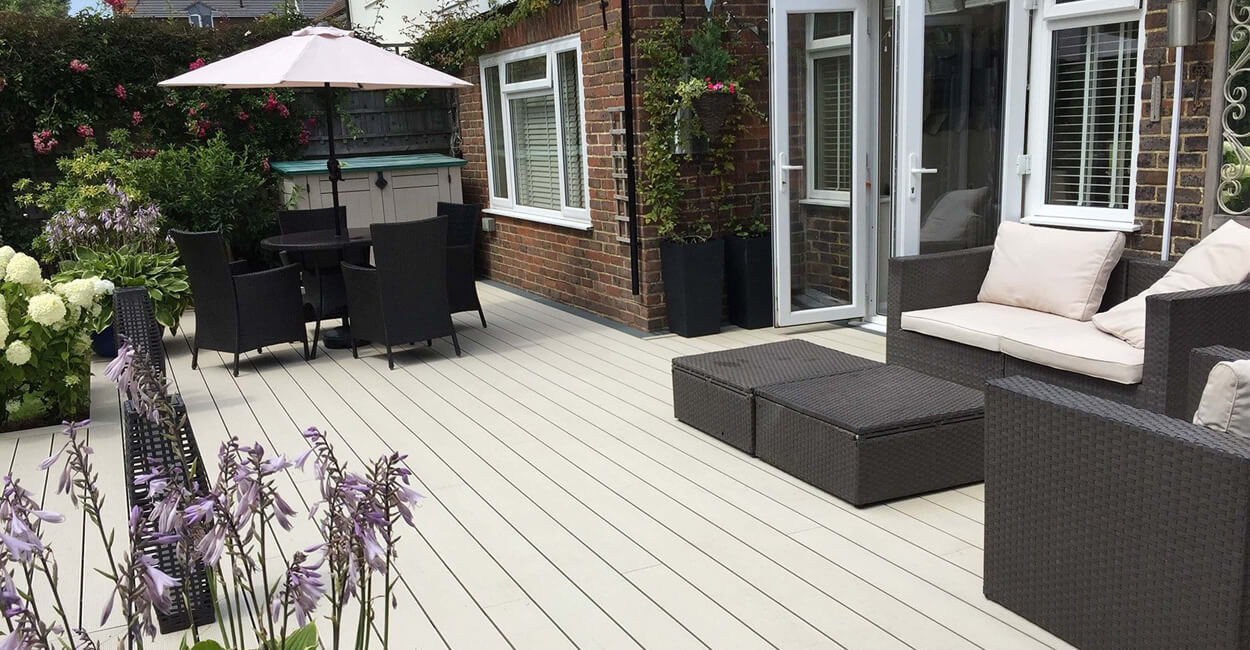
Smart Design Creates Family-Friendly Outdoor Spaces
A successful outdoor project begins with a design that focuses on both beauty and practicality. Builders carefully plan layouts that accommodate a variety of family activities while maintaining an attractive appearance.
- Outdoor areas are designed for comfort and convenience.
- Layouts provide room for gatherings and recreation.
- Functional spaces support everyday family activities.
- Attractive features improve overall visual appeal.
- Customized designs reflect unique lifestyle preferences.
Well-planned outdoor spaces help families enjoy more quality time together in a comfortable setting.
Durable Materials Support Everyday Use
Outdoor structures should remain beautiful and dependable through years of regular use. High-quality materials help create decks and fences that combine durability with visual appeal.
- Strong materials withstand changing weather conditions.
- Attractive finishes enhance the overall appearance.
- Durable components reduce maintenance concerns.
- Reliable materials support long-term performance.
- Multiple options allow flexible design choices.
Carefully selected materials help maintain both functionality and beauty over time.
Skilled Craftsmanship Enhances Safety And Comfort
Professional workmanship ensures every deck and fence is constructed with precision and care. Attention to detail contributes to outdoor spaces that are both comfortable and dependable.
- Accurate construction supports structural stability.
- Smooth finishes improve comfort and usability.
- Secure installations enhance overall reliability.
- Detailed workmanship creates polished results.
- Consistent quality promotes long-lasting enjoyment.
Many families value the expertise of a custom deck builder Tacoma WA when planning outdoor improvements designed for comfort and everyday use.
Attractive Fences Create Welcoming Outdoor Environments
Fences play an important role in defining outdoor areas while contributing to privacy and visual appeal. They help create spaces where families can relax and enjoy activities with greater comfort.
- Privacy features encourage peaceful outdoor experiences.
- Decorative designs enhance landscape beauty.
- Defined boundaries improve organization and flow.
- Stylish fencing complements deck structures.
- Attractive options support a cohesive appearance.
A thoughtfully designed fence helps create an inviting atmosphere throughout the outdoor space.
Deck Areas Encourage Family Gatherings
Decks provide versatile spaces that support a wide range of family activities. From casual conversations to outdoor meals, these areas become valuable extensions of everyday living spaces.
- Spacious layouts support social interaction.
- Comfortable settings encourage relaxation.
- Outdoor dining spaces enhance family experiences.
- Flexible designs accommodate changing needs.
- Open areas provide room for recreation.
Beautiful decks help create memorable moments while increasing the enjoyment of outdoor living.
Professional Construction Adds Long-Term Value
Exceptional builders focus on delivering outdoor spaces that remain functional, attractive, and enjoyable for years. Their expertise helps create environments that support family activities while enhancing overall property appeal.
- Attractive structures improve curb appeal.
- Functional designs maximize outdoor usability.
- Durable construction supports lasting satisfaction.
- Professional planning enhances visual harmony.
- Quality craftsmanship contributes long-term value.
Through thoughtful design, durable materials, and expert construction, exceptional deck and fence builders create outdoor spaces that support comfortable family activities. These welcoming environments encourage connection, relaxation, and enjoyment while providing lasting beauty and value for years to come.