What to Look for in Gold Coast Renovation Builders (Without Getting Burned)

Renovating on the Gold Coast isn’t the same as renovating inland. Salt air, sudden storms, high humidity, sandy sites, tight access, and a council process that can move at its own pace all change the game. So when someone says they’re “a great builder,” I don’t really care until I see how they run a coastal job.

You’re not just hiring hands. You’re hiring systems: pricing systems, scheduling systems, documentation systems, and the ability to keep quality intact when the plan changes (because it will).

One-line truth: a renovation builder is only as good as their process when things don’t go smoothly.


 The license stuff (yes, it’s boring, and yes, it matters)

If a builder hesitates when you ask for a licence number, treat that like smoke in the kitchen. It might be nothing. It might be the start of a very expensive story.

Here’s the practical way I like to see it handled:

– Written licence number, legal entity name, and expiry date (not “I’ll text it later”)

– Proof of general liability and workers’ compensation insurance

– Scope alignment: the licence class and any endorsements actually match your renovation type

Now, this won’t apply to everyone, but… I’ve seen projects stall for weeks because the “builder” couldn’t pull permits cleanly or had compliance gaps that only surfaced when inspections started. That’s not drama you want.

Reputable Gold Coast renovation builders with strong credentials usually have other tells too: clean paperwork, fast responses, no defensiveness, and a habit of documenting decisions.

Data point (because feelings aren’t facts): Safe Work Australia reports that construction consistently records the highest number of worker fatalities among industries in Australia. That’s not a trivia fact; it’s a reminder that safety systems and insurance aren’t “nice to have.” Source: Safe Work Australia, Key Work Health and Safety Statistics, Australia (latest annual release).


 Timelines: show me the calendar, not the optimism

You know what I don’t trust? The renovation schedule that’s basically: “Start in two weeks, done in four months.” That’s not a timeline. That’s a wish.

A serious builder should be able to show a timeline with actual milestones:

Pre-construction. Demolition. Structural. Rough-ins. Waterproofing. Linings. Fit-off. Practical completion. Defects. Handover.

And here’s the thing: coastal work needs contingency that isn’t fake padding. Weather delays are real. Lead times for corrosion-resistant hardware can be real too. The schedule should acknowledge that without sounding like an excuse factory.

Look for specific accountability:

– Who signs off selections and when?

– What happens if a variation is requested mid-stream?

– When are inspections expected?

– How often do you get progress reporting?

If they can’t answer those clearly, you won’t get clarity later when it’s messy.


 Real references beat glossy photos (every time)

Instagram is not a reference check.

Ask for recent local projects. Not “we did a beautiful home in Sydney.” Gold Coast sites have their own quirks: access restrictions, neighbour proximity, salty wind exposure, and a trade market that can be stretched thin during busy cycles.

When you speak to references, don’t ask, “Were you happy?” That gets you polite noise. Ask questions that force specifics:

– Did the final cost match the contract allowances and exclusions?

– How were variations priced and documented?

– Did the builder communicate early when something slipped, or late when it was unavoidable?

– Was the site kept safe and controlled (especially with kids nearby)?

– Post-handover: did they actually come back?

I’m opinionated on this: one glowing reference means almost nothing; three consistent ones mean a lot.


 Budget vs design: the builder who can value-engineer without gutting the concept

Coastal renovations love eating budgets. It’s the environment, the access, and the reality that once you open up an older home, surprises show up.

A design-forward builder should be comfortable with trade-offs, but not the cheap-and-cheerful kind. The good ones will say things like:

– “We can keep the look, but change the substrate so it survives salt exposure.”

– “That detail works, but the maintenance cycle is brutal, want the lower-maintenance version?”

– “If we spend here, we need to save there. Let’s choose where.”

In my experience, the smartest approach is to push the “luxury” where you touch and live, kitchen, bathrooms, living zones, and keep secondary spaces durable, clean, and well executed without forcing premium everything.

Also: ask what they spec for coastal corrosion resistance. If they can’t speak confidently about fixings, coatings, flashings, and moisture control, you’re not hiring a coastal builder. You’re hiring a generalist.


 Communication isn’t a vibe. It’s a system.

Look, some builders are great craftspeople and terrible communicators. Renovations punish that combination.

You want to know three things upfront: channels, cadence, documentation. Not just “call me anytime.”


 What good comms actually looks like

– Weekly status update (written)

– Planned check-in call or site meeting on a set rhythm (often fortnightly works well)

– A single point of contact who’s accountable (project manager or builder)

– Decisions tracked: selections, approvals, RFIs, and change orders


 Documentation that protects you (and them)

Client portal, email summaries, milestone reports, variation logs, and a clear record of “who approved what, when.” It sounds bureaucratic until you have a disagreement about scope. Then it’s salvation.

One-line emphasis: If it’s not written down, it’s not real.


 Red flags (the ones that actually matter)

A few warning signs are obvious: missing licences, vague contracts, and quotes that change every conversation.

Others are sneakier.

If a builder:

– pushes for large upfront payments without clear milestones

– avoids giving a detailed scope (or hides behind “allowances” for everything)

– gets weird about insurance certificates

– can’t explain who’s supervising day-to-day

– dodges reference calls

…pause. Not “think about it.” Pause.

And about under-quoting: the cheapest price is often the most expensive contract once variations start stacking. A good estimate feels slightly uncomfortable because it’s honest.


 Variations: the step-by-step that separates pros from chaos merchants

Renovations change. The question is whether change is handled like a controlled process or a bar fight.

A builder who’s on top of it will run variations like this:

  1. Log the request (who, what, why)
  2. Assess impact on cost, time, and risk
  3. Offer options (alternative materials, sequencing, or design tweaks)
  4. Issue a formal change order with line items and schedule adjustment
  5. Get written approval before work proceeds
  6. Update the budget and timeline so you’re never guessing later

If they’re doing changes via casual texts and verbal agreements… you’re one misunderstanding away from a dispute.


 Coastal experience: salt air doesn’t care about your aesthetic

Want a blunt question to ask?

“Show me what you do differently on the coast.”

Past coastal projects reveal patterns: how they handle wind-driven rain, how they detail balconies, how they select fasteners, how they manage ventilation, and what they do to prevent moisture problems that don’t appear until the first sweaty summer.

Good coastal work often includes:

– corrosion-resistant fixings and appropriate coatings

– robust waterproofing systems with proper detailing (not just “more sealant”)

– ventilation strategies (soffit venting, airflow paths, condensation control)

– materials chosen for maintenance reality, not showroom lighting

A builder with genuine coastal runs will talk about this stuff without being prompted.


 Final walkthrough + handover: don’t sign like you’re doing them a favour

Handover isn’t ceremonial. It’s contractual.

Go room-by-room and compare the build against the approved plans, specs, and variation approvals. Test things. Open and close everything. Run taps. Check window seals. Look at waterproofing edges and terminations. Watch for paint finishes near wet areas, cabinetry alignment, door margins, and floor transitions.

Ask for:

– warranties (builder + key products + subcontractor where applicable)

– compliance docs and certificates relevant to the job

– final variation reconciliation (so there’s no ghost cost later)

– defects process timeline and who to contact

I like a structured checklist for walkthroughs because your brain gets tired halfway through, and tired brains miss defects.


 The “tough questions” I’d ask before choosing anyone

If you want a short litmus test, here it is:

– Who supervises my site daily, and how many other jobs are they running?

– What’s excluded from the quote, specifically?

– How do you price variations (rate schedule, margins, admin fees)?

– What’s your typical delay cause on the Gold Coast, and how do you mitigate it?

– Which materials/specs do you change specifically because it’s coastal?

– How do you handle post-handover issues, and what’s the response timeframe?

When a builder answers those cleanly, and backs it up with documents, references, and a coherent process, you feel it. The project feels steadier before it even starts.


July 2, 2026
More

The Importance of Regular Property Maintenance

Property maintenance plays a vital role in preserving the condition, value, and appearance of any residential or commercial property. Consistent upkeep helps prevent minor issues from turning into costly repairs while ensuring a safe and comfortable environment. A well-maintained property not only looks appealing but also contributes to long-term durability and functionality.

Protects the Structural Integrity

Regular maintenance helps keep the property’s structure strong and reliable. Routine inspections can identify early signs of wear, cracks, leaks, or damage before they become major concerns. Addressing these issues promptly supports the longevity of the building and reduces the risk of extensive repairs in the future.

Key Benefits

  • Detects minor issues early
  • Prevents long-term structural damage
  • Extends the lifespan of building components
  • Reduces unexpected repair costs

Enhances Property Value

A property that receives regular care tends to maintain its value more effectively. Clean surroundings, functional systems, and well-kept features create a positive impression. Consistent maintenance demonstrates responsible ownership and helps preserve the overall quality and attractiveness of the property over time.

Value-Boosting Maintenance Tasks

  • Exterior cleaning and upkeep
  • Regular painting and touch-ups
  • Roof and drainage inspections
  • Maintaining doors, windows, and fixtures

Improves Safety and Security

Safety is one of the most important reasons to perform regular maintenance. Routine checks help ensure that all systems and structures function properly. Addressing potential hazards early creates a safer environment letting and property management for occupants and visitors while reducing the likelihood of accidents or disruptions.

Important Safety Measures

  • Inspect electrical systems regularly
  • Check lighting in all areas
  • Maintain handrails and walkways
  • Repair damaged surfaces promptly
  • Ensure locks and access points function correctly

Increases Comfort and Functionality

A properly maintained property provides a more comfortable experience for everyone using it. Functional systems, clean surroundings, and efficient operations contribute to a pleasant atmosphere. Regular upkeep helps ensure that all features continue performing as intended throughout the year.

Areas That Improve Comfort

  • Heating and cooling systems
  • Plumbing fixtures and water flow
  • Ventilation and air quality
  • Interior and exterior cleanliness
  • Common area maintenance

Prevents Costly Repairs

Preventive maintenance is often far more affordable than emergency repairs. Small issues can quickly develop into larger problems when left unattended. Establishing a routine maintenance schedule allows property owners to address concerns early and manage expenses more effectively.

Cost-Saving Advantages

  • Minimizes emergency repair needs
  • Reduces replacement expenses
  • Improves operational efficiency
  • Supports long-term budgeting
  • Prevents unnecessary deterioration

Creates a Positive Appearance

The visual appeal of a property influences how it is perceived. Well-maintained landscaping, clean surfaces, and organized spaces contribute to an attractive and welcoming environment. A positive appearance reflects care and attention while enhancing overall satisfaction for occupants and visitors.

Appearance Improvement Tips

  • Keep outdoor areas tidy
  • Trim plants and greenery regularly
  • Clean pathways and entrances
  • Maintain paint and finishes
  • Remove clutter and debris

Conclusion

Regular property maintenance is an essential investment that delivers lasting benefits. It protects structural integrity, enhances value, improves safety, increases comfort, prevents costly repairs, and creates a positive appearance. By adopting a proactive maintenance approach, property owners can enjoy a dependable, attractive, and well-functioning property for many years to come.

June 16, 2026
More

Top-tier Victorian timber wholesalers (and what trade pricing really looks like)

If you’re hunting for “the best” timber wholesaler in Victoria, don’t get hypnotised by the cheapest line item. The winners in this space aren’t just selling sticks of wood. They’re selling consistency, predictable lead times, paperwork you can actually defend in an audit, and pricing that doesn’t mysteriously change once the truck’s booked.

And yes, trade pricing is tiered. But it’s tiered in a way that rewards repeatable volume, not the occasional heroic one-off order.


 What makes a wholesaler “top-tier”? It’s not the brochure.

Some suppliers have gorgeous websites and terrible pick accuracy. Others look rough around the edges but deliver like clockwork. When evaluating top-tier Victorian timber wholesalers, it comes down to measurable performance plus boring operational discipline.

Here’s what I look for (and what I’ve seen separate the pros from the pretenders):

– Product conformity: grade consistency, straightness tolerances, moisture spec actually matching the paperwork

– On-time delivery performance: not “we usually make it” but documented hit rates by lane and product type

– Transparent quoting: line items that don’t hide handling, re-pack, or “admin” charges

– Chain-of-custody clarity: certification claims that are verifiable, not hand-wavy

– Inventory truthfulness: “in stock” meaning in their yard, not “we can probably get it next week”

Now, this won’t apply to everyone, but if a wholesaler can’t tell you their backorder rate by product family, you’re dealing with vibes, not supply chain.

One-line emphasis, because it matters:

Reliability is a price component.


 Market vibe check: what’s actually happening in Victoria?

Victorian demand still tracks construction cycles pretty tightly. Structural softwood and engineered products move with commencements; renovations keep the decking and interior lines ticking over. When you feel “tight supply,” it’s usually not mystical. It’s harvest schedules, mill capacity, and freight pinch points lining up in the worst possible way.

Look, the sustainability push is real too. Procurement teams are getting stricter, and councils and Tier 1 builders are asking harder questions. That changes the species mix, the paperwork burden, and sometimes the lead times.

A grounding data point: FSC reported 2023 global certified forest area at ~160+ million hectares (FSC Facts & Figures, 2023). That doesn’t tell you what’s sitting in a Laverton yard tomorrow morning, but it does show certification isn’t fringe anymore; it’s the direction of travel.


 How pricing is structured (it’s more layered than people admit)

Timber pricing in Victoria is rarely “$X per lineal metre, delivered.” You’re usually looking at a base rate that gets adjusted by reality.

Base price is typically shaped by:

– species (obvious)

– grade and structural rating

– finish / treatment (H2F, H3, etc.)

– board count, lengths, and pack configuration

Then come the add-ons. Freight. Handling. Crane or hiab requirements. Multi-drop penalties. Sometimes even “tight access” surcharges that only appear after someone looks at your site photos.

And yes, volume discounts slot in after some of that, not before. Every wholesaler does this slightly differently, which is exactly why “apples to apples” comparisons are harder than they should be.


 Hot take: if your quote isn’t itemised, it’s not a real quote

If you can’t see material vs freight vs extras, you can’t benchmark properly. Full stop. I’ve watched builders “save” 4% on timber and then bleed 8% back through messy deliveries, short packs, and re-delivery fees.

You want a quote that reads like a ledger, not a menu.


 When trade discounts kick in: tiers, thresholds, and the fine print

Most Victorian wholesalers use milestone thresholds that feel like this:

– ~500 linear metres: initial trade break (small but noticeable)

– ~1,000 linear metres: better banding, sometimes improved freight terms

– ~5,000 linear metres: “serious volume” territory, where contracts start to matter

But here’s the thing: the tier is often calculated over a cycle (monthly, quarterly, sometimes annually). So if you spike volume once and then go quiet, you may not hold the rate. Some suppliers also cap the best discount to specific product categories (framing gets the love, niche hardwood profiles… not so much).

A detail people miss: tiers can be spend-based or volume-based, and the incentive design changes behaviour. Spend brackets push you toward higher-value lines; volume brackets push you toward consolidation and fewer suppliers.


 Seasonal pricing: you can’t ignore the calendar (even if you want to)

I’ve seen late Q1 into early Q2 tighten up when projects restart, inventories get cleaned out, and everyone decides they need timber “by Friday.” Mid-year can soften if production catches up or weather slows builds. Then you get weird local spikes when freight capacity gets eaten by other sectors.

If you’re budgeting, don’t pretend it’s a straight line. Model it as a band.

Short section, because the point is simple:

If you buy spot-only in peak season, you’re paying the panic tax.


 Contracts: boring paperwork, real savings

Contracts aren’t just about squeezing unit price. They’re about controlling variance.

A decent supply agreement can:

– lock discount tiers for a defined period

– set lead time expectations by product group

– define substitution rules (what they can swap without approval)

– include a mechanism for input-cost movement instead of random repricing

In my experience, the best wholesalers don’t resist this. They like predictable volume almost as much as you do.


 Delivery and support: the “hidden” cost centre that decides your margin

Some builders treat delivery like an afterthought. Then they get burned when packs arrive split, late, or missing lengths that were “definitely on the docket.”

I’d rather pay slightly more for a supplier who can prove:

– on-time delivery rate by month

– order accuracy rate

– response time to issues (and who owns it when it’s wrong)

Support matters most during exceptions: stockouts, mispicks, weather delays, access issues. Anyone can look good when everything goes smoothly.

(And yes, it’s worth asking if they have SLAs, even informal ones. You’ll learn a lot from the reaction.)


 Comparing wholesalers without fooling yourself

You don’t need a fancy procurement platform to do this. You need discipline and a consistent template.


 A practical comparison method

  1. Build a single bill of materials and send the exact same list to 3 suppliers
  2. Force itemisation: material, freight, handling, GST, and any contingencies
  3. Normalise for delivery: same site, same requested window, same unloading assumptions
  4. Track non-price terms: lead time, returns policy, damage protocol, substitutions
  5. Score service history: even a simple “late/ok/great” log over 90 days is gold

Opinionated aside: if you’re not tracking supplier performance, you’re negotiating blind.


 Real pricing scenarios Victorian builders actually face

You’ll typically see one of two quote styles:

1) “Cheap timber, expensive everything else”

Base rates look sharp, but freight and site surcharges creep in. Returns are painful. The discount structure is vague.

2) “Higher base, cleaner landed cost”

Material pricing isn’t the lowest, yet delivery terms are clearer, packs are consistent, support is responsive, and variations don’t explode your program.

The second often wins over a full project cycle. Not always, but often enough that I don’t ignore it anymore.


 Securing the best deal (without torching the relationship)

Here’s the playbook that works more than it fails:

Ask for tier thresholds in writing. Then ask how they’re measured (per order vs per month vs per quarter). Negotiate on landed cost, not just unit price. Push for predictable freight terms. If you can offer volume continuity, trade it for rate certainty.

And don’t underestimate the value of a supplier who tells you “no” clearly, early, and with facts. The ones who promise anything usually disappoint later.

If you want the best outcome, optimise for repeatability: consistent ordering patterns, clear scopes, and a supplier who treats delivery performance like a KPI, not a lucky outcome.

May 7, 2026
More

Relax, Rejuvenate, and Save with Incredible Vacation Deals

In today’s fast-paced lifestyle, finding time to unwind has become more important than ever. Thoughtfully planned getaways offer the perfect opportunity to relax, rejuvenate, and restore balance to daily life. Many travelers now look for smarter ways to enhance their travel experiences while keeping comfort and value in mind. Exploring options like vacationdeals.to can inspire ideas that blend affordability with enriching experiences, making it easier to plan memorable breaks without unnecessary stress. Whether it is a short escape or an extended retreat, the right planning approach can turn ordinary time off into something truly refreshing and rewarding for both mind and body.

The Joy of Planning a Stress-Free Escape

Planning a stress-free escape begins with clarity and intention. When travelers focus on what truly matters, they can design experiences that feel effortless and fulfilling. Instead of overwhelming details, choosing simple yet meaningful travel goals helps create a smoother journey from start to finish. Prioritizing comfort, relaxation, and enjoyment allows every moment to feel more valuable. With the right mindset, even short breaks can feel like a complete reset, offering renewed energy and a fresh perspective on daily routines.

How Smart Travelers Find Better Value

Smart travelers often look for ways to maximize value without compromising quality or comfort. Small adjustments in planning can lead to more enjoyable experiences and better overall satisfaction.

  • Choosing flexible travel timing allows better options and more relaxed planning experiences.
  • Focusing on bundled experiences can simplify decision-making and enhance enjoyment throughout the trip.
  • Prioritizing comfort-based choices ensures a more restful and refreshing travel experience overall.
  • Planning ahead helps reduce stress and increases confidence in travel arrangements.

Benefits of Choosing Flexible Vacation Options

Flexible planning options allow travelers to adapt their experiences based on preferences and mood, creating a more personalized and enjoyable journey that feels natural and unforced.

  • Adaptability supports better relaxation by removing rigid schedules.
  • Flexible choices encourage exploration without pressure or limitations.
  • It enhances satisfaction by aligning travel with personal comfort levels.

Rejuvenation for Mind and Body

Time away from routine encourages deep relaxation and mental clarity. Rejuvenating experiences help reduce fatigue, improve focus, and restore emotional balance. When individuals disconnect from daily pressures, they often return with renewed motivation and a healthier outlook on life.

  • Calm environments support better emotional well-being and inner peace.
  • Rest-focused experiences improve energy levels and overall productivity.
  • Balanced travels moments help maintain long-term wellness and happiness.

Making Every Moment Count

Making every moment count during a getaway is about being present and appreciating simple joys. When travelers focus on meaningful experiences, they create lasting memories that go beyond ordinary routines. A mindful approach encourages gratitude, awareness, and deeper satisfaction, turning even brief breaks into enriching personal journeys.

  • Small mindful choices can significantly enhance travel enjoyment.
  • Presence in the moment creates stronger and more meaningful memories.
  • Appreciation of simple experiences leads to deeper personal fulfillment.

Every thoughtful journey brings renewed energy, happiness, and lasting positive transformation for travelers.

May 5, 2026
More

Rewarding Journeys Deliver Positive Moments across Destinations

Travel today is more than movement between places it is a meaningful experience that shapes emotions, memories, and personal growth. Rewarding Journeys Deliver Positive Moments across Destinations by turning ordinary trips into uplifting stories filled with discovery, connection, and joy. Across cultures and landscapes, travelers find inspiration in simple moments that stay with them long after the journey ends.

In this evolving travel experience, platforms like https://vacationdeals.to/ make planning easier and more joyful, helping travelers access curated opportunities that enhance comfort, value, and happiness right from the beginning of their trip.

✨ The True Meaning of Rewarding Travel

A rewarding journey is not defined by distance but by emotional value. It is about experiences that bring peace, excitement, and learning at every step.

  • Meeting welcoming local communities
  • Exploring natural wonders and cultural heritage
  • Enjoying stress-free and well-planned travel moments
  • Creating memories that feel meaningful and lasting

These experiences transform travel into something deeply personal and fulfilling.

🌍 Positive Moments That Shape Every Destination

Best Holidays Deals

Every destination carries its own charm and positive energy. Whether it’s a mountain escape, coastal retreat, or vibrant city tour, travelers experience joy in different ways.

  • Sunrise views that inspire calm and reflection
  • Local cuisine that introduces new flavors and traditions
  • Cultural festivals that bring color and celebration
  • Scenic landscapes that refresh the mind and spirit

Such moments highlight how travel naturally builds positivity.

💛 Why Modern Travelers Seek Rewarding Journeys

Today’s travelers look for more than sightseeing they want emotional satisfaction and meaningful engagement.

  • Desire for stress-free and well-organized travel plans
  • Interest in authentic cultural experiences
  • Focus on relaxation and mental well-being
  • Preference for value-driven travel opportunities

This shift has made journeys more thoughtful and experience-oriented.

🌟 Positive Impact of Travel Experiences

Travel also leaves a lasting positive impact on individuals, shaping perspectives and emotional balance.

  • Builds appreciation for diversity and cultures
  • Encourages personal growth and confidence
  • Strengthens relationships through shared experiences
  • Inspires gratitude and mindfulness in daily life

Each journey becomes a stepping stone toward a more enriched lifestyle.

🧳 Making Every Trip More Rewarding

To fully enjoy rewarding journeys, travelers often focus on simplicity and intention.

  • Planning ahead for smoother experiences
  • Choosing destinations that match personal interests
  • Embracing spontaneity during travel
  • Prioritizing comfort, joy, and exploration

This approach ensures every trip feels more meaningful and enjoyable.

🌈 Conclusion

Travel is a celebration of life’s best moments. When approached with positivity, every destination becomes a source of inspiration, learning, and happiness. Rewarding journeys remind us that the world is full of beauty waiting to be explored, and every experience adds value to our personal story.

May 5, 2026
More

Serene Adventures Deliver Positive Holidays Across Beautiful Destinations

Serene adventures create the kind of holidays people remember for years. A positive holiday experience is not only about seeing beautiful destinations, but also about feeling refreshed, inspired, and connected to joyful moments. When travelers choose calm experiences, scenic surroundings, and uplifting activities, every journey becomes more meaningful.

Today, many people seek holidays that combine comfort, discovery, and emotional renewal. Serene adventures answer that desire perfectly. They offer peaceful mornings, exciting afternoons, and relaxing evenings that make every travel day feel rewarding. From scenic landscapes to gentle exploration, positive holidays create lasting happiness and unforgettable memories.

Why Serene Adventures Create Positive Holiday Experiences

Serene adventures help travelers slow down and enjoy every detail. Rather than rushing, these holidays encourage appreciation of beauty, comfort, and simple pleasures.

A well-balanced holiday often brings:

  • A refreshing break from everyday routines
  • Greater emotional wellness and inner calm
  • Memorable experiences filled with uplifting moments
  • Opportunities to reconnect with nature, family, and personal joy

Beautiful destinations naturally enhance these feelings. Scenic surroundings, fresh air, and peaceful views make every moment feel brighter. Positive holidays often begin with a relaxed mindset, and serene adventures make that possible from the very first day.

Beautiful Destinations Inspire Joyful Discovery

Best Trip Deals

Beautiful destinations do more than provide attractive scenery. They inspire curiosity, optimism, and a sense of wonder. Every path, sunrise, garden, and open horizon can become part of a deeply rewarding experience. Vacation inspiration often grows naturally after browsing https://vacationdeals.to/

Travelers often enjoy serene adventures because they include both comfort and discovery. There is excitement in exploring new surroundings, yet there is also peace in taking time to truly absorb them.

Popular experiences during positive holidays often include:

  • Leisurely walks through scenic surroundings
  • Quiet mornings with calming natural views
  • Light outdoor activities that energize without stress
  • Peaceful evenings filled with reflection and gratitude

These gentle experiences create emotional balance. They allow travelers to feel energized while still feeling deeply relaxed.

How Positive Holidays Build Lasting Memories

A positive holiday becomes memorable because of how it makes people feel. Joyful laughter, peaceful moments, and unexpected beauty often stay in memory far longer than busy schedules.

Serene adventures encourage travelers to notice the little things:

  • Warm sunlight at the start of the day
  • Comfortable moments shared with loved ones
  • Scenic beauty that creates instant happiness
  • Calm experiences that restore confidence and positivity

These are the moments that transform ordinary travel into meaningful memories.

The Lasting Value of Serene Adventures

Serene adventures deliver more than temporary enjoyment. They leave travelers feeling renewed, inspired, and ready for future experiences. Positive holidays across beautiful destinations create a lasting sense of happiness that continues long after the journey ends.

Choosing calm exploration, uplifting surroundings, and joyful discovery makes every holiday more rewarding. Beautiful destinations become even more special when experienced with peace of mind. That is why serene adventures remain one of the most meaningful ways to create positive holidays, memorable experiences, and lasting happiness.

May 2, 2026
More

Which Emergency Kit Works Best for Your Situation

Choosing the right emergency kit can make everyday preparedness more practical and reassuring. Different situations require different supplies, and selecting the proper kit helps improve response time, comfort, and confidence during unexpected events. A well-organized kit supports safety, convenience, and quick action for families, workers, travelers, and outdoor enthusiasts alike.

Basic First Aid Kits for Everyday Needs

A standard first aid kit is ideal for handling minor injuries and common health concerns. These kits are lightweight, easy to store, and suitable for homes, vehicles, and personal bags.

Common items included:

  • Adhesive bandages
  • Antiseptic wipes
  • Gauze pads
  • Medical tape
  • Disposable gloves
  • Small scissors
  • Pain relief tablets

Best situations for use:

  • Minor cuts and scratches
  • Small burns
  • Headaches or mild discomfort
  • Everyday family use
  • Workplace preparedness

These kits offer quick support for routine incidents and are excellent for maintaining general safety at home or during travel.

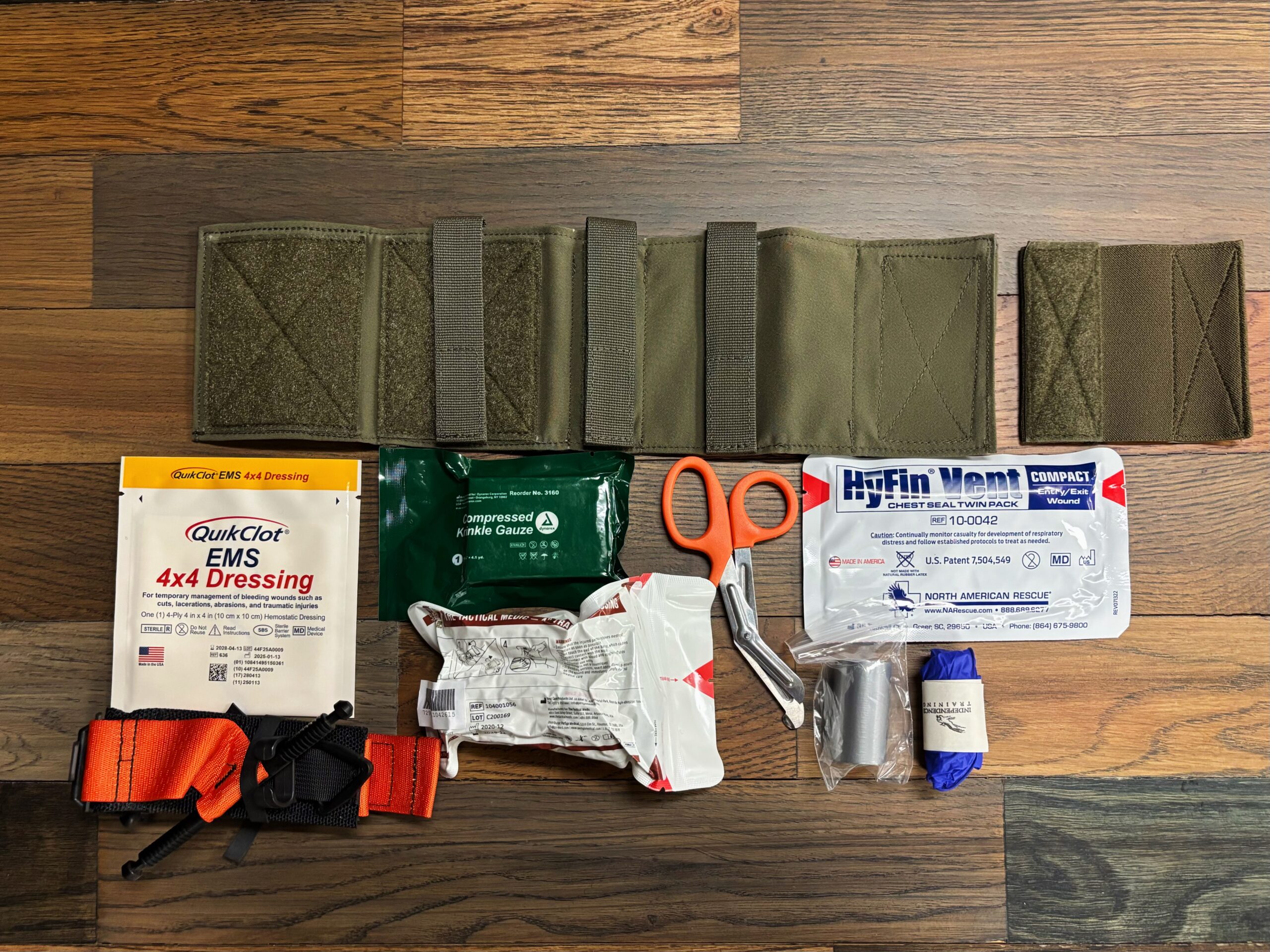
Trauma Kits for Serious Emergencies

Refill Kit

Trauma kits are designed for more severe injuries that require immediate attention. They contain advanced medical supplies that help control bleeding and stabilize injuries before professional care becomes available.

Important components:

  • Compression bandages
  • Tourniquets
  • Chest seals
  • Trauma shears
  • Emergency blankets
  • Haemostatic dressings

Recommended situations:

  • Outdoor adventures
  • High-risk work environments
  • Emergency response settings
  • Long-distance travel
  • Remote activities

A trauma kit provides stronger protection during critical situations and can help improve emergency readiness for demanding conditions.

Compact Travel Kits for Mobility

Travel emergency kits focus on portability and convenience. These kits are small enough to carry daily while still offering useful medical support.

Useful features:

  • Lightweight storage case
  • Compact medical tools
  • Motion sickness tablets
  • Instant cold packs
  • Blister care supplies

Ideal for:

  • Road trips
  • Hiking
  • Camping
  • Daily commuting
  • Sports activities

Portable kits help people stay prepared without carrying bulky equipment, making them a practical option for active lifestyles.

Family Emergency Kits for Group Safety

Family-focused kits contain larger quantities afak vs ifak supplies and often include items suitable for both adults and children. They support preparedness during power outages, weather emergencies, or temporary disruptions.

Helpful additions:

  • Flashlights
  • Batteries
  • Emergency food supplies
  • Water storage packets
  • Hygiene items
  • Extra medications

Best used during:

  • Household emergencies
  • Extended travel
  • Temporary shelter situations
  • Community safety planning

These kits encourage organized preparation and help support multiple people comfortably during stressful situations.

Key Factors to Consider Before Choosing

Selecting the right emergency kit depends on lifestyle, environment, and expected risks. Comparing features carefully helps ensure better preparedness.

Important points to evaluate:

  • Number of users
  • Portability requirements
  • Storage space
  • Type of activities involved
  • Level of medical supplies needed
  • Weather resistance
  • Ease of organization

A kit that matches personal needs is more effective and easier to maintain over time.

The best emergency kit is the one that suits your daily routine and potential challenges. Basic first aid kits work well for common injuries, while trauma kits provide stronger support during serious emergencies. Travel kits improve convenience, and family kits offer broader preparedness for larger groups. Choosing the right combination of supplies helps create a safer, more confident response during unexpected situations while promoting readiness and peace of mind.

April 29, 2026
More

Motorcycle Seats Combining Durability Comfort and Modern Design

Motorcycle seats have evolved far beyond simple padding, becoming a crucial element that enhances both riding experience and visual appeal. A well-designed seat balances durability, comfort, and modern aesthetics, ensuring riders enjoy long journeys without fatigue while also complementing the overall look of the motorcycle.

The Importance of Durable Materials

Durability is at the core of any high-quality motorcycle seat. Riders expect seats to withstand constant exposure to varying weather conditions, road vibrations, and prolonged use.

  • High-density foam maintains shape over time without sagging
  • Weather-resistant covers protect against rain, heat, and dust
  • Reinforced stitching prevents early wear and tear
  • Strong base construction ensures long-term structural integrity

These features ensure that the seat remains reliable even after years of regular riding, reducing the need for frequent replacements.

Comfort That Enhances Every Ride

Comfort is not just a luxury it is essential for both short commutes and long-distance travel. Modern motorcycle seats are designed with ergonomics in mind to support the rider’s posture and reduce fatigue. The ergonomic structure of Saddlemen Seats supports riders during prolonged trips, minimizing discomfort even after several hours on the road.

  • Contoured shapes provide better weight distribution
  • Multi-layer cushioning absorbs road shocks effectively
  • Breathable materials help regulate temperature
  • Adequate width and support improve overall stability

A comfortable seat allows riders to maintain focus and control, making the journey safer and more enjoyable.

Modern Design Meets Functionality

A motorcycle seat is a visible component that contributes significantly to the bike’s overall style. Contemporary designs combine sleek looks with practical features.

  • Streamlined profiles enhance the motorcycle’s silhouette
  • Textured finishes add a premium appearance
  • Minimalist designs create a clean and modern aesthetic
  • Integrated patterns or stitching elevate visual appeal

These design elements ensure that the seat complements the motorcycle rather than appearing as an afterthought.

Advanced Features for Better Performance

Modern seats often incorporate innovative features that improve both comfort and usability.

  • Shock-absorbing technology reduces vibration impact
  • Anti-slip surfaces provide better grip during rides
  • Memory foam adapts to the rider’s body shape
  • Lightweight construction improves overall efficiency

Such advancements demonstrate how seat design continues to evolve alongside broader motorcycle innovations.

Customization and Personal Preference

Riders have diverse preferences, and modern motorcycle seats cater to a wide range of needs.

  • Adjustable designs suit different riding styles
  • Multiple color and texture options enhance personalization
  • Options for added back support improve long-distance comfort
  • Flexible designs accommodate both solo and passenger use

Customization allows riders to tailor their seats to match both their comfort requirements and aesthetic preferences.

Balancing Style and Practicality

The best motorcycle seats successfully combine visual appeal with everyday usability.

  • Easy-to-clean surfaces maintain a fresh look
  • Durable finishes resist fading over time
  • Smart design ensures compatibility with various riding conditions
  • Balanced construction supports both performance and comfort

A thoughtfully designed seat enhances not only the ride but also the overall ownership experience.

Motorcycle seats that blend durability, comfort, and modern design represent a significant step forward in riding innovation. By focusing on high-quality materials, ergonomic support, and stylish aesthetics, these seats provide riders with a superior experience that meets both functional and visual expectations.

April 28, 2026
More

Star Stuff Group: Custom Packaging That Actually Works for Australian Brands

Packaging isn’t “just a box.” It’s a sales tool, a protection system, a sustainability statement, and, when it’s done badly, a silent brand killer.

Star Stuff Group builds custom packaging solutions for Australian businesses that need all of that to land at once: shelf impact, reliable protection, responsible materials, and a workflow that doesn’t spiral into endless revisions.

One-line truth: your packaging is doing marketing while you sleep.


 Custom packaging in Australia: why it’s not optional anymore

Look, if you’re competing in a busy category, generic packaging is basically volunteering to be ignored.

Custom packaging gives you control over how your product is understood before it’s used. That’s not fluffy branding talk; it’s practical psychology. Humans make snap judgments. Your pack either signals “credible and considered” or “cheap and risky,” and it does it in seconds.

Now, this won’t apply to everyone, but if you sell online as well as through retail, packaging becomes even more loaded. It has to survive freight networks, look good under harsh lighting, photograph well, and still feel “right” in the customer’s hands. Those are different jobs. One structure has to handle all of them, which is why many Australian brands work with specialists like Star Stuff Group to get packaging that performs properly in the real world.

From a commercial perspective, custom packaging also reduces avoidable costs:

– fewer transit damages

– fewer returns

– less “we had to discount it because it arrived scuffed” nonsense

– cleaner repeat ordering because specs are documented and stable

That last point sounds boring until you’ve lived through a rushed reprint.


 Shelf impact isn’t art. It’s engineered attention.


Hot take: most “creative packaging” fails because it tries to be clever instead of clear.

Shelf impact is not about cramming in design tricks. It’s about winning the 2, 5 second glance. In my experience, the brands that grow fastest treat packaging like a system: hierarchy, legibility, silhouette, tactile cues, and category expectations, then they decide where to break the rules.


 The practical shelf-impact playbook (the bits that move product)

Custom Packaging

Some of this reads like a specialist briefing, because it is:

– Hierarchy: what’s the one thing the shopper must understand instantly, product type, benefit, or brand?

– Color psychology + category coding: align enough to be recognised, diverge enough to be chosen.

– Contrast for distance legibility: if it can’t be read from 1, 2 metres, you’re paying for decoration.

– Structural differentiation: silhouette matters more than people admit; shapes become memory anchors.

– Finish as a signal: matte, gloss, soft-touch, emboss, foil, each implies something (premium, modern, natural, clinical). Choose deliberately.

Short version? Make it easy to buy.


 Visual differentiation techniques (without turning it into a circus)

Star Stuff Group’s approach leans on what retail environments actually do to packaging: flatten it under bright lighting, clutter it with competing messages, and punish anything that’s too subtle.

So you use:

– high-contrast palettes for fast scanning

– intentional color blocking to guide the eye

– tactile elements to increase “pick-up” likelihood (yes, people touch boxes when they’re deciding)

– typography designed for speed, not style awards

When you get those right, you don’t need to shout. The pack feels inevitable.


 Sustainability: less virtue-signalling, more verified outcomes

Here’s the thing: consumers can smell vague eco-claims a mile away, and regulators aren’t getting looser.

Sustainable packaging has to be real in three ways:

  1. the material choice makes sense for the product (barrier needs, shelf life, fragility)
  2. the supply chain holds up under scrutiny (certifications, traceability)
  3. the end-of-life outcome is plausible in Australia (recycling streams differ by state and council)

A quick, grounded data point: Australia’s 2022, 23 packaging recycling rate was 60%, with a national target of 70% by 2025 under the APCO framework (source: Australian Packaging Covenant Organisation, Annual Report/Reporting on 2022, 23 outcomes). Progress is real, but it’s uneven, so “recyclable” on paper doesn’t always mean recycled in practice.

What works better than buzzwords:

– lightweighting without compromising performance

– recycled content where it won’t weaken the pack

– certified fibre sources for paper-based formats

– design choices that reduce mixed-material headaches (labels, windows, coatings, those details matter)

Good sustainability is usually boring. That’s why it’s believable.

(And yes, you can still make it look premium.)


 Concept to launch: the workflow that keeps projects from drifting

Packaging projects don’t usually fail because of one big mistake. They fail because of ten small delays: unclear briefs, late approvals, endless “minor tweaks,” and someone discovering a compliance issue right before print.

A streamlined workflow isn’t rigid. It’s protective.


 Concept → shelf, in a rhythm that works

Start with a brief that’s annoyingly specific:

– product dimensions + weight

– channel mix (retail, e-comm, wholesale)

– protection requirements

– sustainability targets (measurable, not vibes)

– budget guardrails

– timelines tied to real launch dates, not hopeful ones

Then you move with intention: ideation, prototype, validate, lock specs, pilot, scale.

Some teams try to perfect the design before prototyping. I’ve seen that backfire. You learn faster with a physical sample on the table, even if it’s rough.

One-line emphasis: Prototypes are cheaper than reprints.


 The milestones that prevent expensive backtracking

Custom packaging milestones should feel like gates, not suggestions:

– feasibility + dieline confirmation

– design intent locked (brand + claims + hierarchy)

– regulatory review (ingredients, warnings, country-of-origin, barcodes)

– prototype testing (fit, durability, shelf visibility)

– pre-press sign-off (color accuracy, finishes, tolerances)

– production + deployment planning (lead times, warehousing, re-order triggers)

If you don’t formalise these, your “timeline” is just optimism with a calendar attached.


 Transparent pricing and governance (the unsexy bit that saves you)

I’m opinionated here: a cheap quote with vague inclusions is usually the most expensive option.

Transparent pricing means you can see what drives cost, materials, finishes, tooling, print method, assembly complexity, freight. Governance means change requests don’t quietly explode your budget or push your delivery date.

What a grown-up packaging engagement typically includes:

– line-item clarity (tooling vs unit cost vs freight assumptions)

– explicit revision limits or change-control rules

– sign-off stages with accountable owners

– lead-time commitments tied to approved artwork/specs

This is how you protect launch dates from “just one more tweak.”


 Real-world wins (what tends to work in Australia)

Case studies vary, but the patterns repeat.

– Consumer goods: simplifying structures can cut assembly time and reduce damage rates without losing shelf presence.

– Food & beverage: barrier performance and tamper evidence aren’t negotiable, so innovation often happens in smarter structures and clearer on-pack systems, not flashy materials.

– Health & beauty: compact packs routinely lift perceived value while lowering shipping costs (that’s a rare win-win).

– E-commerce heavy brands: optimised dielines + better void-fill strategy usually reduces dimensional weight costs and return rates.

The best projects I’ve seen share one trait: designers, production, and supply chain people talk early, not after the “final” design is presented.


 Choosing a packaging partner (a little informal, because it matters)

Ask yourself: do they behave like a vendor, or like a partner who’ll flag problems before they become disasters?

You want evidence of:

– consistent print accuracy and pre-press discipline

– materials knowledge beyond a catalogue pitch

– realistic lead times (with contingencies)

– sustainability claims backed by documentation

– a process that doesn’t rely on heroics

If they can’t explain trade-offs clearly, cost vs speed vs finish vs sustainability, you’re going to pay for that confusion later.


 Next steps (no fluff, just the practical path)

If you’re kicking off a custom packaging project with Star Stuff Group (or anyone), do this in order:

1) Write the brief with measurable goals and constraints.

2) Confirm channels and handling conditions early (retail shelf vs courier network are different worlds).

3) Prototype sooner than feels comfortable.

4) Lock specs and governance before you fall in love with a design.

5) Build re-order planning into the launch plan so success doesn’t trigger a stockout.

Good packaging doesn’t just look right. It behaves right, on shelf, in transit, in the customer’s hands, and in your operations. That’s the standard Star Stuff Group is aiming for.

April 27, 2026
More

Strong cybersecurity incident response improves data protection and threat management.

In today’s digitally driven environment, organizations rely heavily on secure systems to maintain operational continuity and protect sensitive information. A strong cybersecurity incident response strategy plays a vital role in enhancing data protection and ensuring effective threat management. By preparing for potential risks and responding swiftly, organizations can confidently navigate the evolving threat landscape while maintaining trust and stability.

Proactive Preparation for Modern Threats

A well-defined incident response plan enables organizations to anticipate and address potential cybersecurity challenges before they escalate. Preparation is the foundation of effective threat management and ensures that teams can act decisively during critical situations.

  • Establish clear response protocols for various threat scenarios
  • Conduct regular risk assessments to identify vulnerabilities
  • Train teams to recognize and respond to potential incidents
  • Implement continuous monitoring for early threat detection

This proactive approach strengthens overall security posture and reduces the likelihood of severe disruptions.

Rapid Detection and Immediate Response

Speed is crucial when managing cybersecurity incidents. The faster a threat is identified, the more effectively it can be contained. Strong incident response systems are designed to detect anomalies in real time and initiate immediate action.

  • Monitor network activity to identify unusual patterns
  • Use automated alerts to notify teams of potential risks
  • Isolate affected systems to prevent further spread
  • Apply quick remediation techniques to minimize impact

Rapid response not only limits damage but also ensures that systems remain functional and secure. Professionals handle ransomware negotiation to minimize financial and operational impact.

Enhanced Data Protection and Integrity

Protecting sensitive data is a top priority for any organization. A robust incident response framework safeguards data by minimizing exposure and ensuring its integrity even during security events.

  • Secure critical data through encryption and access controls
  • Maintain regular backups to prevent data loss
  • Validate data integrity after incident resolution
  • Ensure compliance with security standards and best practices

These measures help preserve valuable information and build confidence among stakeholders.

Streamlined Threat Management Processes

Effective threat management involves not only responding to incidents but also learning from them. Strong incident response strategies provide valuable insights that improve future security measures.

  • Analyze incidents to understand root causes
  • Document response actions for future reference
  • Refine strategies based on past experiences
  • Strengthen defenses against recurring threats

By continuously improving processes, organizations become more resilient against emerging risks.

Building Organizational Confidence and Resilience

A strong cybersecurity incident response capability fosters confidence across all levels of an organization. Employees, partners, and customers feel reassured knowing that systems are protected and risks are managed effectively.

  • Promote a culture of security awareness
  • Encourage collaboration between teams during incidents
  • Maintain transparent communication throughout response efforts
  • Continuously update response plans to match evolving threats

This resilience ensures long-term stability and supports sustainable growth in a secure digital environment.

Conclusion

Strong cybersecurity incident response is essential for improving data protection and managing threats effectively. By focusing on proactive preparation, rapid detection, and continuous improvement, organizations can create a secure and resilient infrastructure. With the right strategies in place, businesses can confidently face modern cybersecurity challenges while safeguarding their most valuable assets.

April 26, 2026
More