
Clear vein visualization can support a smoother and more organized approach to appropriate vascular access procedures. Reliable devices help practitioners assess visible vein pathways with greater confidence, encouraging careful preparation, efficient workflows, and positive patient interactions throughout clinical care.
Enhances Vein Visibility
Improved visualization provides useful support during vein assessment. Clearer views can help practitioners evaluate potential access areas and prepare for procedures with greater confidence and attention to patient needs.
- Enhances vein visibility
- Supports careful assessment
- Helps identify suitable access areas
- Encourages informed preparation
- Promotes confident procedures
Supports Patient Comfort
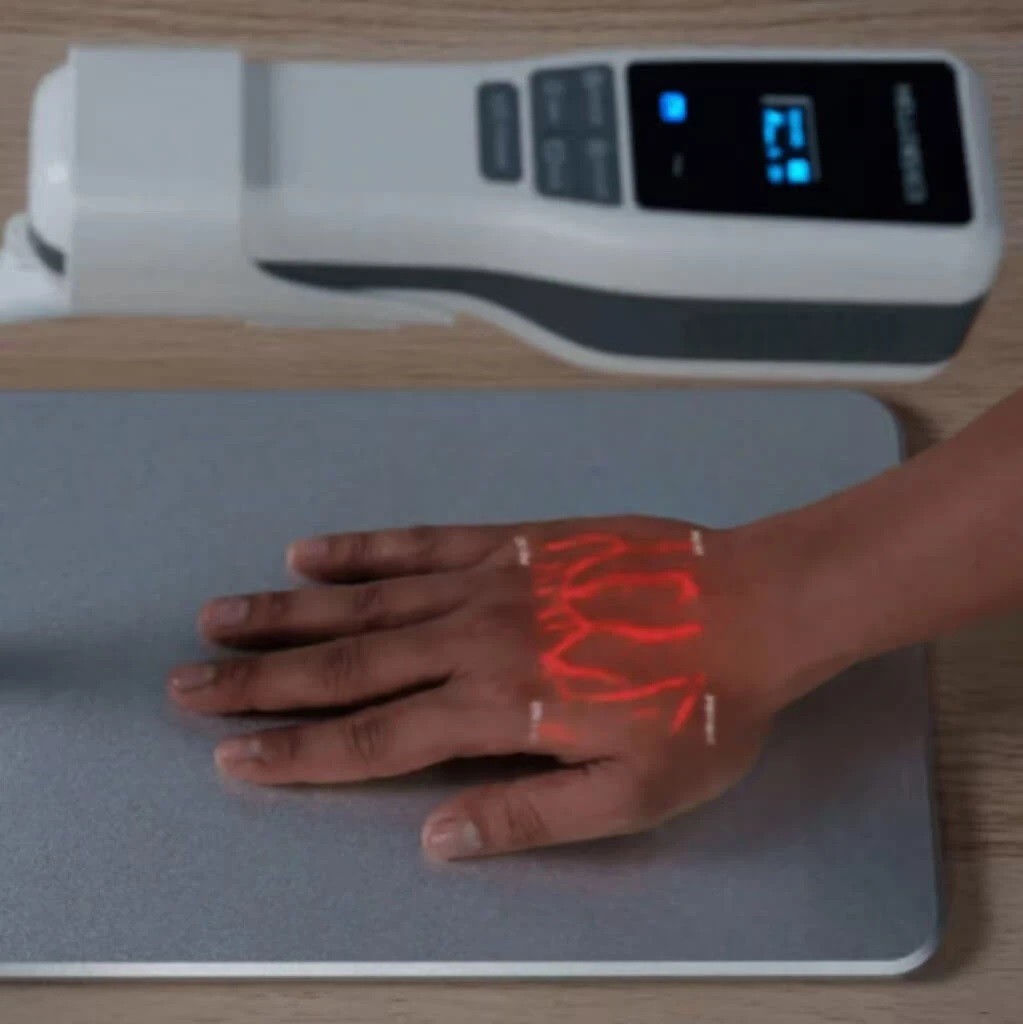
A thoughtful approach to vascular access can contribute to a reassuring experience. Better visualization may help practitioners work efficiently while maintaining attentive communication and a calm environment.
- Encourages comfortable procedures
- Supports attentive patient care
- Promotes a reassuring atmosphere
- Helps streamline preparation
- Enhances patient confidence
Builds Practitioner Confidence
Reliable visual guidance can complement professional knowledge and established clinical techniques. Enhanced visibility helps practitioners approach appropriate procedures with greater assurance while maintaining careful judgment.
- Supports confident decisions
- Encourages focused assessments
- Promotes careful techniques
- Strengthens procedural readiness
- Complements professional expertise
Improves Clinical Efficiency
Efficient vein assessment can help practitioners maintain organized workflows throughout daily procedures. Clear visualization supports timely preparation and allows professionals to focus valuable attention on patient care.
- Streamlines routine assessments
- Supports efficient workflows
- Encourages organized procedures
- Helps maintain procedural focus
- Promotes consistent care
Supports Individual Patient Needs
Vein characteristics can vary among individuals, making adaptable visualization valuable. Enhanced visibility gives practitioners additional information that can support thoughtful assessment according to each patient’s needs.
- Supports varied patient requirements
- Encourages individualized assessment
- Provides useful visual guidance
- Promotes adaptable approaches
- Supports thoughtful care
Encourages Careful Preparation
Good preparation can contribute to a smooth procedural experience. Visualization helps practitioners review potential access areas before proceeding, supporting a deliberate approach based on professional assessment.
- Supports access planning
- Encourages careful evaluation
- Helps identify visible pathways
- Promotes methodical preparation
- Enhances procedural organization
Strengthens Positive Interactions
Patient care involves more than procedural efficiency. When practitioners can approach vein assessment with greater confidence and organization, interactions can feel more reassuring, attentive, and supportive.
- Encourages positive communication
- Supports patient reassurance
- Promotes attentive procedures
- Enhances professional confidence
- Creates comfortable experiences
Complements Professional Expertise
Technology can provide valuable support when integrated with appropriate training and clinical judgment. Practitioners exploring enhanced visualization can consider illumivein as part of a thoughtful approach to suitable vascular access procedures.
Supports Consistent Care
Reliable visualization can contribute to consistency when appropriately incorporated into established clinical practices. It provides useful guidance while allowing professionals to maintain patient-focused care throughout suitable procedures.
- Encourages consistent assessment
- Supports informed decisions
- Promotes focused procedures
- Enhances workflow organization
- Strengthens patient-centered care
Reliable vein finder devices can promote better patient care experiences by enhancing visualization, supporting preparation, improving workflow efficiency, and encouraging practitioner confidence. When used appropriately alongside professional expertise, they can contribute to comfortable procedures, reassuring interactions, and organized clinical care. Their supportive role helps practitioners maintain attention on individual patient needs while creating positive experiences through thoughtful, efficient, and confident procedural practices.
