
November 2026

Electrical Earthing Designs Promote Consistent System Protection

Electrical safety is an essential consideration in residential, commercial, and industrial installations. A properly designed earthing arrangement provides a controlled path for unwanted electrical current, supporting equipment protection and improving overall system reliability. Different electrical applications require suitable grounding configurations to maintain consistent performance and operational stability. Electrical Earthing Designs contribute to safer installations by managing fault currents, supporting protective devices, and reducing potential electrical hazards. Careful planning, suitable materials, and professional installation help create dependable earthing arrangements for various electrical requirements.

Importance of Effective Earthing Arrangements

A reliable earthing arrangement establishes an electrical connection between equipment and the ground. This connection helps direct fault currents safely away from exposed conductive parts while supporting the operation of protective devices. Well-planned configurations contribute to consistent electrical performance.

  • Provides a controlled pathway for electrical fault currents.
  • Supports the effective operation of circuit protection devices.
  • Helps reduce dangerous touch voltage conditions.
  • Improves the safety of electrical equipment and installations.
  • Promotes dependable performance across connected systems.

Different Designs Support Various Applications

Electrical installations have different grounding requirements depending on their equipment, operating conditions, and structural characteristics. Selecting an appropriate arrangement helps maintain effective electrical continuity while supporting specific installation needs.

Common design considerations include:

  • Plate Earthing: Uses conductive metal plates buried in suitable soil conditions to establish an effective grounding connection.
  • Pipe Earthing: Utilizes metal pipes to provide a practical grounding arrangement for different electrical installations.
  • Rod Earthing: Employs conductive rods driven into the ground to create a reliable electrical connection.
  • Strip Earthing: Uses conductive strips arranged underground to support grounding across larger installation areas.
  • Grid Earthing: Connects multiple conductive elements into a network to distribute fault currents effectively.

Quality Materials Improve System Reliability

Material selection plays an important role in maintaining consistent earthing performance. Conductive components must offer suitable electrical properties, mechanical strength, and environmental resistance. Proper material selection also supports long-term installation stability and dependable grounding connections.

Important material characteristics include:

  • High electrical conductivity for efficient current transfer.
  • Corrosion-resistant properties for improved service life.
  • Strong mechanical construction for installation stability.
  • Reliable connectors that maintain electrical continuity.
  • Suitable materials that support different soil conditions.

Proper Installation Strengthens Electrical Protection

Accurate installation ensures that grounding components function together as intended. Attention to connection quality, electrode positioning, soil characteristics, and electrical continuity helps establish dependable protection. Regular inspections further support consistent performance throughout the installation’s service life.

Effective installation practices involve:

  • Selecting suitable electrode locations based on soil conditions.
  • Maintaining secure connections between grounding components.
  • Following applicable electrical safety standards.
  • Checking grounding resistance through appropriate testing.
  • Conducting periodic inspections to maintain system effectiveness.

Modern Earthing Solutions Support Growing Requirements

Changing electrical infrastructure creates demand for adaptable and dependable grounding arrangements. Properly planned https://lsp.global/earthing-systems/ help accommodate different equipment configurations while supporting operational safety and installation efficiency. Their thoughtful integration contributes to reliable electrical infrastructure.

Building Consistent Electrical Safety

Well-designed earthing arrangements combine suitable materials, effective installation techniques, and regular maintenance to support dependable electrical protection. By selecting appropriate configurations and following established safety practices, electrical installations can achieve improved reliability, equipment protection, and consistent performance. These essential solutions contribute to safer environments and stronger electrical infrastructure for a wide range of applications.
November 7, 2026
More

Detailed Technical Manuals Strengthen Everyday Equipment Management

Effective equipment management is essential for maintaining machinery performance, improving operational efficiency, and supporting long-term reliability. Detailed technical manuals provide valuable information that helps equipment owners and maintenance professionals understand machine functions, servicing requirements, and operating procedures. With clear explanations, organized technical details, and helpful illustrations, these resources make everyday equipment management more convenient. They also encourage informed decisions, consistent maintenance practices, and responsible machinery handling.

Improving Equipment Knowledge

Understanding equipment functions helps individuals manage machinery with greater confidence. Detailed technical manuals explain different components, their purposes, and how various mechanical systems work together to support reliable operations.

  • Explains essential equipment components and their functions.
  • Provides information about mechanical operating principles.
  • Improves familiarity with equipment configurations.
  • Describes important technical specifications.
  • Supports better understanding of machinery requirements.

Supporting Consistent Maintenance Planning

Proper maintenance planning helps preserve equipment condition and encourages dependable performance. Technical manuals provide useful recommendations about inspections, servicing schedules, and routine maintenance activities, allowing users to organize equipment care effectively.

  • Provides information about recommended maintenance intervals.
  • Explains routine inspection requirements.
  • Highlights important lubrication practices.
  • Supports timely replacement of worn components.
  • Encourages consistent preventive maintenance activities.

Making Technical Information Easily Accessible

Organized documentation makes important equipment information easier to understand and reference. Resources such as the John Deere Lawn Mower Repair Manual demonstrate how detailed technical information can support equipment knowledge, component identification, and maintenance awareness.

  • Presents technical explanations in a clear format.
  • Includes helpful illustrations for visual understanding.
  • Describes individual component functions.
  • Provides useful references for servicing requirements.
  • Encourages continuous technical learning.

Improving Equipment Performance Monitoring

Regular performance monitoring helps equipment owners understand machinery conditions and maintain consistent operations. Technical manuals explain important operating indicators and system requirements, supporting better awareness of equipment performance.

  • Describes normal equipment operating conditions.
  • Explains important performance indicators.
  • Encourages regular machinery inspections.
  • Supports informed equipment adjustments.
  • Helps maintain consistent operating efficiency.

Strengthening Troubleshooting Awareness

Understanding mechanical systems helps individuals recognize performance changes and identify areas that may require attention. Detailed manuals provide organized technical descriptions that support logical evaluations and improve confidence when addressing maintenance concerns.

  • Explains common mechanical operating conditions.
  • Identifies components associated with specific functions.
  • Provides useful troubleshooting information.
  • Supports accurate identification of maintenance requirements.
  • Develops stronger equipment management knowledge.

Encouraging Responsible Equipment Handling

Proper equipment handling contributes to operational reliability and long-term machinery care. Technical documentation explains operating recommendations and safety considerations that help users develop responsible equipment management habits.

  • Highlights important equipment safety precautions.
  • Explains recommended operating practices.
  • Encourages careful machinery handling.
  • Supports appropriate equipment usage.
  • Promotes responsible maintenance decisions.

Promoting Long-Term Equipment Reliability

Consistent access to technical information helps individuals maintain equipment more effectively. Following suitable maintenance recommendations supports component durability, improves equipment awareness, and encourages dependable performance.

  • Supports regular equipment servicing.
  • Helps preserve important mechanical components.
  • Encourages effective maintenance resource planning.
  • Improves awareness of equipment requirements.
  • Contributes to long-term operational reliability.

Conclusion

Detailed technical manuals play an important role in strengthening everyday equipment management. Their organized explanations, practical recommendations, and helpful illustrations support better equipment knowledge and informed maintenance decisions. By referring to reliable technical documentation, individuals can improve machinery care, monitor equipment performance, and maintain consistent servicing practices. These resources also encourage responsible equipment handling and contribute to dependable operations and long-lasting machinery performance.

November 4, 2026
More

Advanced Butterfly Valve Sizing Supports Efficient Fluid Control Solutions

Accurate valve sizing helps create dependable fluid handling systems. A properly selected butterfly valve maintains suitable flow, manages pressure changes, and supports smooth operation. Considering application requirements alongside valve capacity promotes balanced performance, practical installation, and lasting reliability.

Understanding Application Requirements

Successful sizing begins with understanding the fluid, operating range, and system requirements. Reviewing these details helps identify a valve that delivers the required capacity and fits the piping arrangement.

Important considerations include:

  • Minimum, normal, and maximum flow rates.
  • Fluid type, temperature, and density.
  • Inlet pressure and expected pressure drop.
  • Pipe diameter, connection style, and installation clearance.
  • Whether the valve provides isolation or modulating control.

These details create a reliable foundation for comparing options and selecting suitable operating characteristics.

Matching Flow Capacity With Demand

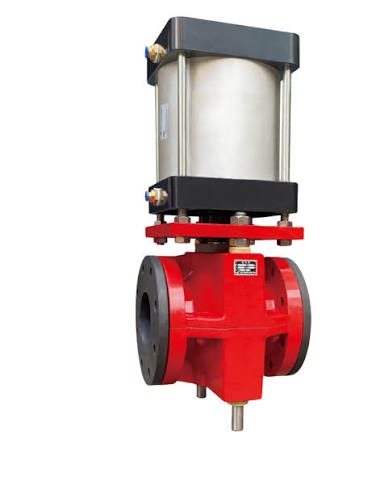
Pneumatic Valve Technology

The flow coefficient, commonly expressed as Cv or Kv, describes a valve’s capacity under defined conditions. Comparing the required coefficient with published performance data helps determine whether a selected size can deliver the intended flow while maintaining control.

A balanced selection considers more than nominal pipe diameter. Capacity changes with opening position, while piping geometry can influence performance. Engineers therefore review flow curves to confirm an appropriate operating range.

Pressure Drop and Flow Velocity

Pressure drop affects the energy needed to move fluid through a system. Evaluating the expected pressure difference alongside flow velocity supports a practical selection and contributes to consistent operation.

Careful evaluation can support:

  • Efficient fluid movement through the pipeline.
  • Suitable pressure balance across connected equipment.
  • Reduced unnecessary energy loss.
  • Stable performance at normal and peak demand.
  • Better coordination with surrounding components.

Considering these factors together encourages smooth operation under changing conditions.

Dimensions and Installation Compatibility

Physical dimensions are essential when confirming valve suitability. Face-to-face length, flange pattern, disc clearance, and overall envelope should align with the piping layout and available space. Reviewing dimensional information early simplifies planning.

Design teams can refer to https://www.vincervalve.com/butterfly-valve-dimensions/ when checking measurements that contribute to compatibility. Reviewing dimensions alongside pressure ratings and connection requirements supports accurate alignment and a well-integrated installation.

Supporting Reliable Control Performance

A well-sized butterfly valve contributes to responsive operation and effective process management. Selection should account for the full operating range, not only maximum flow. For modulating duties, suitable valve authority and controllable travel help maintain steady adjustment as demand changes.

A complete review may include:

  • Confirming pressure and temperature ratings.
  • Checking body and seat materials for fluid compatibility.
  • Reviewing actuator torque and operating requirements.
  • Assessing shutoff performance and cycling frequency.
  • Verifying maintenance access and inspection needs.

These checks support a coordinated choice and maintainable operation.

Building Long-Term System Efficiency

Advanced sizing brings flow requirements, pressure conditions, dimensions, and control objectives into one selection process. Reviewing these elements together allows butterfly valves to support dependable fluid movement, efficient equipment integration, and predictable system response.

Accurate calculations and application-specific performance data help facilities develop fluid control solutions that combine operational efficiency with lasting reliability. This helps teams plan installations confidently throughout the equipment lifecycle

November 3, 2026
More